

The Abrupt End of Comfort – Dealing with “No Hot Water in the Shower”
Picture this: you step into your shower, ready for that invigorating blast of warm water after a long day in Nairobi, Mombasa, or Kisumu. You turn the handle, expecting comfort, but instead, you’re greeted by an icy shock. The dreaded “no hot water in the shower” scenario. It’s frustrating, inconvenient, and often leaves you wondering, “What just happened?”
While a cold shower can certainly wake you up, it’s rarely a welcome surprise. For Kenyan homeowners and tenants, this problem isn’t just about personal comfort; it can disrupt daily routines, especially in households reliant on specific schedules. Before you panic and call an emergency plumber (who might charge a premium!), many common causes for no hot water in the shower can be diagnosed and even fixed with a few simple troubleshooting steps.
This comprehensive guide from Winstar Hardware – your trusted source for quality plumbing solutions across Kenya – will walk you through the top 7 quick fixes to try right now. We’ll help you understand why your shower is cold even if other taps are hot, diagnose issues with your geyser (water heater), and pinpoint common culprits like mixer valves or pressure problems. Our goal is to empower you to restore that much-needed hot water, quickly and safely.
Understanding the Hot Water Supply Chain in Your Kenyan Home
To effectively troubleshoot no hot water in the shower, it helps to understand how hot water typically gets from your geyser to your showerhead.
- Main Water Supply: Cold water enters your home from the municipal supply or a borehole.
- Geyser (Water Heater): The cold water enters the geyser, where it’s heated by an electric element or gas burner. This is where your hot water geyser comes into play.
- Hot Water Outlet: Heated water exits the geyser through a dedicated hot water pipe.
- Distribution Network: This hot water then travels through pipes to various fixtures in your home (kitchen sink, basin, shower).
- Shower Mixer Valve: At the shower, a mixer valve blends the hot and cold water to your desired temperature.
A disruption at any point in this chain can result in no hot water in the shower.
The 7 Quick Fixes: Diagnosing “No Hot Water in the Shower”
Let’s dive into the practical troubleshooting steps to help you get that hot water flowing again.
Fix #1: Is the Problem Localized or Whole-House? Check Other Taps!
This is the very first and most crucial diagnostic step. It immediately tells you if the issue is specific to your shower or if your entire hot water supply is down.
Test Other Hot Water Taps:
Go to your kitchen sink, bathroom basin, or any other hot water tap in the house. Turn on the hot water.
- Scenario A: All Taps Are Cold (No Hot Water in House)
- Diagnosis: The problem is with your main hot water source – likely your geyser or the main supply to it. Proceed to Fix #2.
- Secondary Key Phrase: No Hot Water in House, Water Heater Not Working.
- Scenario B: Other Taps Have Hot Water, But Your Shower is Cold
- Diagnosis: The problem is localized to the shower itself or the hot water supply just to the shower. This often points to the mixer valve, a blockage, or pressure imbalance. Proceed to Fix #3, #4, or #5.
- Secondary Key Phrase: Shower is Cold, Only Shower Cold.
Table: A simple decision tree table based on “Scenario A” vs. “Scenario B” guiding the user to the next relevant fix.
| Observation | Immediate Conclusion | Next Step |
| All hot water taps are cold | Geyser or main supply issue | Proceed to Fix #2 (Geyser Checks) |
| Other hot water taps work, but shower is cold | Shower-specific issue | Proceed to Fix #3 (Mixer Valve) |
Fix #2: Check Your Geyser (Water Heater) – Power, Breaker, and Settings
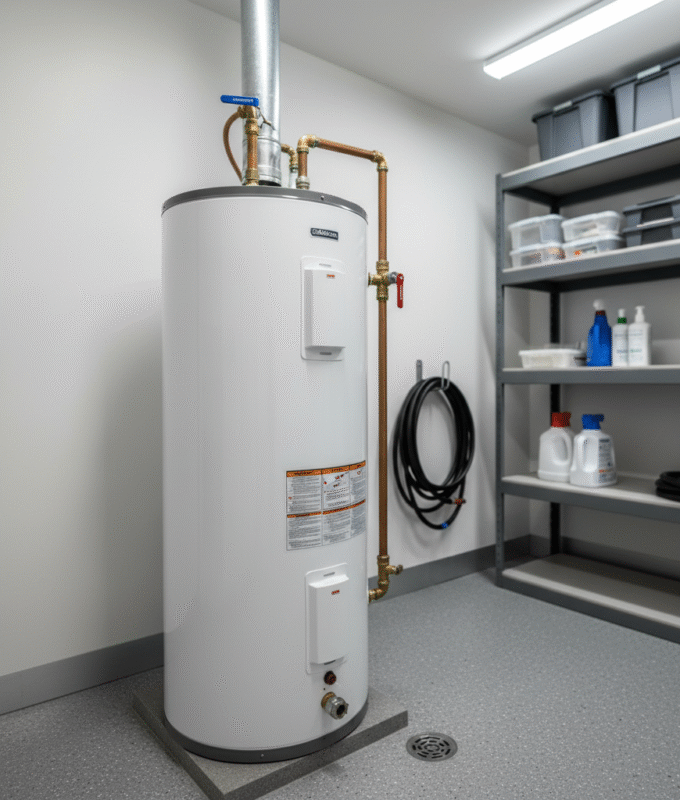
If your diagnostics from Fix #1 confirmed that you have no hot water in the house at all, the vast majority of problems stem from the electric geyser (water heater) itself. In the Kenyan context, where power fluctuations are common, and mineral buildup can be severe, this is often the point of failure.
This check involves three critical areas: The Circuit Breaker (Power), The Thermostat (Control), and The Heating Element (Engine).
The Critical Power Check: Breakers, Fuses, and Electrical Safety
Before touching anything near the geyser, always confirm its electrical status. The geyser uses a dedicated, high-amperage circuit, meaning electrical issues here can be serious.
A. The Tripped Circuit Breaker
- Locate the DB Box: Find your main electrical Distribution Board (DB box), usually near the meter or the main entrance.
- Identify the Geyser Breaker: Look for the breaker labelled “Geyser,” “Water Heater,” or sometimes “C.B. 1” or similar.
- Check Status:
- If the breaker is in the OFF or MIDDLE position (tripped): This is often a safety response to an electrical fault or a temporary overload/power surge.
- Action: Firmly switch the breaker to the full “OFF” position, then immediately switch it back to the “ON” position. Do not use force; a firm snap is enough.
- If it stays ON: Wait 30 minutes. If you get hot water, the problem was a temporary surge.
- If it immediately trips again: STOP HERE. This indicates a severe electrical short circuit, usually caused by a faulty heating element or damaged wiring. Continuing to flip the breaker is dangerous and risks fire. You must call a qualified electrician immediately.
B. Voltage Fluctuations and Local Protection
In many Kenyan regions, voltage fluctuations can rapidly degrade geyser components.
- Surge Damage: Repeated power fluctuations can cause hairline fractures in the element’s insulation, eventually leading to a short.
- The Isolator Switch: Many homes have an additional wall-mounted isolator switch specifically for the geyser (often found in the ceiling or near the access panel). Ensure this switch is firmly in the “ON” position. These switches can sometimes fail due to excessive heat or wear, which looks like a power failure.
The Control System: Thermostat Diagnosis and Reset
The thermostat is the brain of your water heater. It monitors the temperature and tells the element when to turn on and off. If this is faulty, you’ll have no hot water in the shower despite having power.
Absolute Safety Rule: Turn the power OFF at the main DB box before removing the access panel.
Access the Thermostat:
Locate the water heater’s access panel (usually a metal cover at the base or side of the tank). Remove the cover to expose the thermostat and heating element wiring.
Check the Thermostat Dial:
Ensure the temperature dial is set to a reasonable range. The recommended safety temperature in Kenya is usually around 60ºC to 65ºC (140ºF to 150ºF). If it’s set too low, you’ll get lukewarm water, not cold.
Locate the High-Limit Reset Button:
Most modern electric geyser thermostats include a high-limit safety switch, often visible as a small red button. This button automatically trips if the water inside the tank exceeds a dangerous temperature (e.g., 90ºC) to prevent boiling and tank damage.
- Action: Gently press this reset button. You may hear a slight click.
- If it was tripped: The element was heating water too intensely, usually due to sediment buildup insulating the thermostat. After resetting, wait a few minutes, turn the power back on, and observe. If it trips again quickly, you have a severe problem, and the geyser needs service.
Advanced Diagnostic: Testing Continuity with a Multimeter
For the technically inclined, a multimeter can definitively prove whether the thermostat or element is dead (Requires high proficiency and power must be OFF):
- Thermostat Test: Disconnect the wires and place the multimeter leads on the incoming terminal screws. With the thermostat dial set high, the meter should show continuity (near zero resistance) if the thermostat is functional. If it shows infinite resistance, the thermostat is faulty.
- Winstar Tip: We stock affordable, quality multimeters and replacement thermostats at all Winstar Hardware branches.
The Engine Failure: Heating Element and Sediment
The heating element is the component that actually warms the water. It can fail due to electrical burnout or, more commonly in Kenya, because of mineral and sediment buildup.
The Sediment Problem (Kenyan Hard Water)
- The Mechanism: In many Nairobi and regional water sources, high mineral content (hard water) causes calcium and lime to precipitate out of the water and settle at the bottom of the tank. This creates a thick layer of sediment.
- The Effect:
- The sediment acts as an insulator, preventing heat transfer to the water. The element works harder and overheats itself trying to penetrate the layer.
- This excessive heat at the element base causes electrical failure (burning out) or, worse, trips the high-limit switch.
- This is a primary cause of no hot water in the shower when the geyser has power but isn’t heating effectively.
Testing the Heating Element
Power MUST be OFF and wires disconnected before testing the element.
- Visual Check: Look at the element terminals. Are they burnt, cracked, or corroded?
Multimeter Test: Set the multimeter to measure Ohms (Ω).
- Place the leads on the element terminals.
- A healthy geyser element should show a resistance reading between 10 to 30 Ohms (depending on the element size, e.g., 3kW or 4kW).
- Diagnosis: If the reading is infinite (open loop), the element is burnt out and needs immediate replacement.
Table: Geyser Troubleshooting Quick Reference
| Observation | Most Likely Cause | Winstar Solution |
| Breaker keeps tripping | Shorted Heating Element | Element Replacement |
| Breaker ON, but cold | Faulty Thermostat or Element | Thermostat or Element Replacement |
| Rumbling noise, then cold | Extreme Sediment Buildup | Geyser Flush Kit & Anode Rod Replacement |
| Water too hot (Scalding) | Thermostat setting too high or stuck ON | Thermostat Replacement |
Final Safety Check: If you diagnose a faulty element or thermostat, while the parts are available at Winstar Hardware, the replacement process involves draining the geyser and working with 240V electrical connections. For your safety and to comply with local regulations, call a qualified and certified Kenyan plumber/electrician for the actual replacement and wiring.
Fix #3: Check Your Hot Water Supply Valve to the Shower
If only your shower is cold but other taps have hot water, the problem is within the shower’s hot water supply line.
- Locate the Shower’s Hot Water Shut-Off Valve: Some modern showers (especially mixer showers) have individual shut-off valves for hot and cold water in the wall behind the trim plate, or in an access panel.
- Action: Ensure the hot water valve is fully open. Sometimes, during maintenance, it might have been partially or fully closed.
- Why it helps: If this valve is closed, hot water can’t reach the mixer.
Fix #4: Troubleshoot Your Shower Mixer Valve
If Fix #1 confirmed that you have hot water flowing freely at your sink and other basin taps, but your shower is cold, the problem is localized to the shower mixing unit itself. The hot water mixer valve is designed to blend hot and cold water to achieve your desired temperature, and it is a common point of failure.
In Kenya, you primarily encounter two main types of valves: the ubiquitous single-handle cartridge valve and the traditional two-handle compression valve. Each has its own unique failure mode that leads to no hot water in the shower.
The Single-Handle Cartridge Valve: The Main Culprit
The single-handle (or single-lever) valve is the most common in modern Kenyan homes. It uses a sealed cartridge to control both the flow rate and the ratio of hot to cold water.
Cartridge Failure and Sediment Blockage
- Sediment and Scale: The most frequent cause is the accumulation of mineral deposits (limescale) and sediment inside the cartridge’s small internal ports. This buildup occurs when water is scarce or hard, a common issue in many Kenyan urban and peri-urban areas. The blockage often restricts the hot water side much more severely than the cold.
- Internal Failure: Over time, the internal O-rings, rubber seals, and plastic components of the cartridge degrade, twist, or crack. A damaged cartridge fails to align the hot water port properly, leading to a restricted or non-existent flow of hot water.
- Symptoms: You turn the handle to the hot position, but the water remains cold or only delivers a fleeting burst of lukewarm water before turning icy.
Step-by-Step Cartridge Inspection and Cleaning
- Shut Off Water: Crucially, turn off the hot and cold water supply to the shower. This may require locating individual shut-off valves in a nearby access panel or turning off the main house supply.
- Access the Cartridge: Remove the shower handle and the decorative trim plate (escutcheon). This usually involves unscrewing a set screw located under the handle or using an Allen key.
- Remove the Cartridge: Once exposed, the cartridge is typically held in place by a retaining clip or a brass bonnet nut. Remove the clip or unscrew the nut, then firmly pull the cartridge out. You may need a specialized cartridge puller tool if it is seized by sediment.
- Inspect and Clean:
- Inspect the rubber seals and the plastic body for cracks or severe damage.
- If the cartridge looks salvageable, soak it in a bowl of white vinegar overnight to dissolve mineral deposits. Use a small brush (like an old toothbrush) to gently clear any visible scale from the internal ports.
- Reinstallation: Reinstall the cleaned or new cartridge, ensuring it is correctly aligned. The cartridge usually has markings or notches that indicate the proper orientation.
Winstar Hardware stocks replacement cartridges for major local and international mixer brands. Bring your old cartridge to our counter for an exact match – this prevents frustrating installation failures.
The Anti-Scald Limit Stop (Temperature Stop)
Many single-handle valves feature an anti-scald adjustment ring or temperature limit stop, often located just behind the handle. This is a safety feature designed to physically prevent the user from turning the handle too far into the hot range, protecting against scalding.
- The Failure: Sometimes, during a previous repair or accidental knock, this limit stop gets moved or reset, restricting the flow of hot water unnecessarily.
- Action: With the handle removed, inspect the plastic ring or stop mechanism. Carefully adjust it to allow the handle to rotate further toward the hot side. This physically increases the amount of hot water blended into the mix, potentially solving your no hot water in the shower problem immediately.
Traditional Two-Handle Valve Issues
In older Kenyan homes, you may have two separate handles—one for hot and one for cold.
- Compression Valve Failure: These valves rely on rubber washers or ceramic discs. If the hot water washer is worn or the stem is clogged with debris, it will prevent the hot water from flowing correctly, making the shower primarily cold.
- Action: If you have this type, you likely need to dismantle the hot water handle, unscrew the valve stem, and replace the worn rubber washer or ceramic disc.
Winstar Hardware carries a full range of durable brass compression stems, washers, and ceramic disk cartridges suitable for two-handle fixtures.
Pressure Imbalance in the Mixer
Even if the cartridge is clean, an imbalance between the hot and cold line pressures can lead to no hot water in the shower.
- The Issue: Mixer valves, especially pressure-balancing models, are designed to react to pressure drops. If a nearby fixture (like a toilet or a washing machine) suddenly draws a large volume of cold water, the cold pressure in the shower drops. The valve compensates by reducing the hot water flow to prevent scalding.
- The Reverse Problem: If the cold water pressure suddenly spikes (e.g., from a powerful borehole pump), the high pressure can overwhelm the hot water line in the mixer, effectively pushing the hot water back and making the shower feel cold.
- Solution: Check if the problem occurs only when another major appliance is running. If so, consider installing small pressure reducing valves (PRVs) or check valves on your supply lines to equalize pressure or prevent cross-contamination (refer to Fix #5).
Fix #5: Check for Cross-Contamination or Pressure Imbalance
If your geyser is confirmed hot (Fix #2), and your shower valve seems functional (Fix #4), yet you still have no hot water in the shower, the culprit may be a hidden plumbing conflict known as cross-contamination or a temporary pressure imbalance. These issues are especially common in older properties, homes utilizing borehole pump systems, or those with non-standard fixtures.
This is a critical, yet often overlooked, cause of cold showers.
The Phenomenon of Cross-Contamination
Cross-contamination occurs when high-pressure cold water is forced into the lower-pressure hot water supply line, effectively chilling the hot water before it even reaches the shower mixer.
Leaky Single-Handle Fixtures
The most common source is a faulty single-handle faucet or mixer tap somewhere else in the house—often in the kitchen, laundry room, or a basin.
- How it Works: In a typical single-handle faucet, the cartridge controls both hot and cold flow. If the internal seals or O-rings of the cartridge fail, high-pressure cold water can “cross over” into the low-pressure hot water line, even when the tap is off.
- The Result: The entire hot water system is immediately diluted. By the time the hot water reaches your shower, it has been mixed and chilled, leading to no hot water in the shower.
- Action: Systematically check every single-handle faucet in your home. Feel the hot water supply pipe leading into the suspected faucet. If the pipe feels cold even when you haven’t recently run the hot water, that faucet’s cartridge is likely allowing cold water to cross over.
The Bidet Sprayer and Washing Machine Connection
Specific fixtures can create temporary or permanent cross-contamination points:
- Bidet Sprayers (Shatafa): If a bidet sprayer uses a mixing valve and a faulty diverter, it can create a localized cross-connection.
- Washing Machine/Dishwasher: Check the water hoses connected to these appliances. If they use a mixing valve or have an internal fault, they could be pulling pressure unevenly or allowing water to cross over.
Addressing Pressure Imbalance: The Dynamic Pressure Dance
Your shower mixer valve relies on stable, relatively equal pressure from both the hot and cold lines to mix water correctly. Any sudden drop in one line will cause the valve to compensate, leading to temperature fluctuations or a cold shower.
The Cold Water Spike
- High Volume Draw: If someone flushes a toilet, starts a washing machine cycle, or runs a hosepipe outside while you are showering, the sudden demand for cold water causes a momentary drop in the cold water pressure supplied to your shower mixer.
- Mixer Valve Response: Pressure-balanced mixer valves are legally required (in many codes) to react instantly to prevent scalding. When the cold pressure drops, the valve quickly reduces the hot water flow to match the lower cold pressure, avoiding a sudden rush of dangerously hot water.
- The Result: You suddenly get a blast of cold water or a significant temperature drop. While temporary, if this occurs constantly, it becomes a chronic problem leading to no hot water in the shower.
The Supply Source Issue (Borehole vs. Municipal)
- Borehole Systems: Homes relying on powerful pressure pumps from boreholes often experience higher and more erratic pressure spikes. If the borehole pump cycles on while you shower, the sudden surge in cold water pressure can easily overwhelm the hot water line in the mixer, resulting in a cold shock.
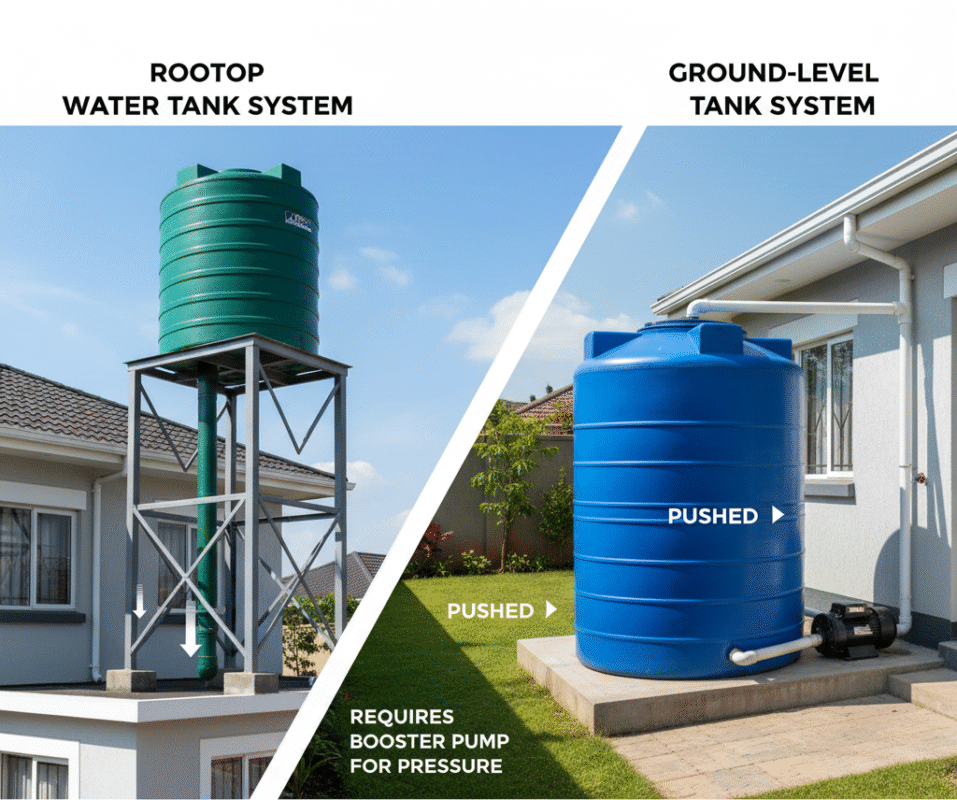
- Tank-Fed Systems: If your home uses a gravity-fed tank, the cold water pressure may be too low relative to the incoming hot water pressure (especially if the hot water is boosted). This imbalance can cause the mixer valve to struggle to blend correctly.
The Permanent Solution: Installing Check Valves
If cross-contamination or pressure imbalance is the confirmed cause of your cold showers, the most permanent fix is the installation of simple, affordable safety mechanisms.
- What are Check Valves? Also known as non-return valves, these devices are installed on a pipe and allow water to flow in only one direction.
- Installation Strategy: A plumber can install small, spring-loaded check valves on the hot and cold supply lines behind the wall where the main culprit fixture is (e.g., the kitchen faucet).
- This prevents the high-pressure cold water from ever backing up into the hot water line, completely eliminating cross-contamination.
Winstar Hardware stocks a wide variety of brass and PPR non-return valves (check valves) perfect for safeguarding your hot water system against pressure conflicts. This preventative measure is often the simplest fix for persistent temperature issues.
By systematically isolating and correcting these pressure and contamination issues, you can often restore perfect temperature balance, finally solving the frustrating problem of no hot water in the shower when all other systems appear functional.
Fix #6: Inspect for Clogged Pipes or Showerhead
A restriction in water flow can sometimes make it seem like there’s no hot water in the shower, even if the geyser is working.
Showerhead Clog:
- Action: Unscrew your showerhead. Turn on the shower (carefully, without the head). If hot water flows freely, the showerhead itself is clogged with mineral deposits (limescale). Clean it by soaking in vinegar or replace it.
- Winstar Tip: We stock a variety of new, high-flow showerheads perfect for Kenyan homes.
Pipe Clog (Less Common for Hot Water Specific):
- Action: If removing the showerhead doesn’t help, a clog within the hot water pipe leading to the shower is possible, especially in older homes with galvanized pipes. This usually requires a plumber.
Fix #7: Consider Sediment Buildup in Your Water Heater Tank
While this often causes the PRV to leak (as discussed in a previous “water heater pressure relief valve leaking” blog), extreme sediment can also reduce heating efficiency to the point where you get very little or no hot water in the shower.
- Symptoms: Besides no hot water in the shower, you might hear rumbling noises from the geyser, experience reduced hot water volume, or see cloudy hot water.
- Action: The solution is to flush your geyser annually to remove sediment.
- Procedure: Turn off power/gas, shut off cold water inlet, attach a hose to the drain valve, and drain until clear.
- Winstar Tip: Regular geyser maintenance prevents this common issue. For a comprehensive visual guide on how to flush a water heater, watch this video.
When to Call a Professional Plumber in Kenya
While these 7 quick fixes can resolve many issues, some situations demand the expertise of a licensed plumber or electrician.
Persistent Electrical Issues:
If your geyser breaker continuously trips, there’s a serious electrical fault that an electrician must address to prevent fire hazards.
Suspected Element/Thermostat Failure:
While you can check these, replacement requires working with electricity and potentially draining the geyser, best left to a professional.
Tank Leaks or Damage:
If the geyser tank itself is leaking, bulging, or showing significant rust, it indicates the geyser is failing and needs replacement. This is a job for a qualified plumber.
Complex Mixer Valve Repairs:
If a cartridge replacement doesn’t work, or if your shower valve is complex, a plumber can properly diagnose and repair it.
Main Line Pressure Issues:
Installing a Pressure Reducing Valve (PRV) on your main line is a job for a professional.
Any Discomfort or Uncertainty:
If you’re unsure about any step, or uncomfortable working with water and electricity/gas, always call a licensed plumber.
Preventing Future Cold Showers: Maintenance Tips from Winstar Hardware
Proactive maintenance is key to avoiding the dreaded no hot water in the shower scenario.
- Annual Geyser Flush: Schedule this yearly, especially in areas with hard water, to prevent sediment buildup.
- Check PRV (Pressure Relief Valve): Test it gently once a year to ensure it’s not seized (refer to our previous blog on a water heater pressure relief valve leaking).
- Inspect for Leaks: Periodically check all plumbing connections around your geyser and shower for drips or leaks.
- Consider a Main Line PRV: If your home experiences high incoming water pressure, installing a pressure-reducing valve will protect your entire plumbing system and extend the life of your geyser and fixtures.
- Quality Parts: Always replace faulty parts (thermostats, elements, cartridges) with high-quality, durable components. Winstar Hardware stocks a comprehensive range of genuine spares.
Conclusion: Restore Comfort with Winstar Hardware
No hot water in the shower is more than just an inconvenience; it’s a disruption to your daily life. By following these 7 quick fixes, you can often diagnose and resolve the problem yourself, saving time and money. Whether it’s a simple breaker reset, a stuck mixer valve, or a geyser issue, understanding the common causes empowers you.
However, know when to call in the professionals. For those times you need expert help or reliable replacement parts, Winstar Hardware is here for you. We provide a wide array of high-quality mixer valves and PPR pipes and fittings, and all the accessories you need for a fully functional hot water system.
Don’t let cold showers win. Visit Winstar Hardware today, and let us help you restore comfort and efficiency to your home!