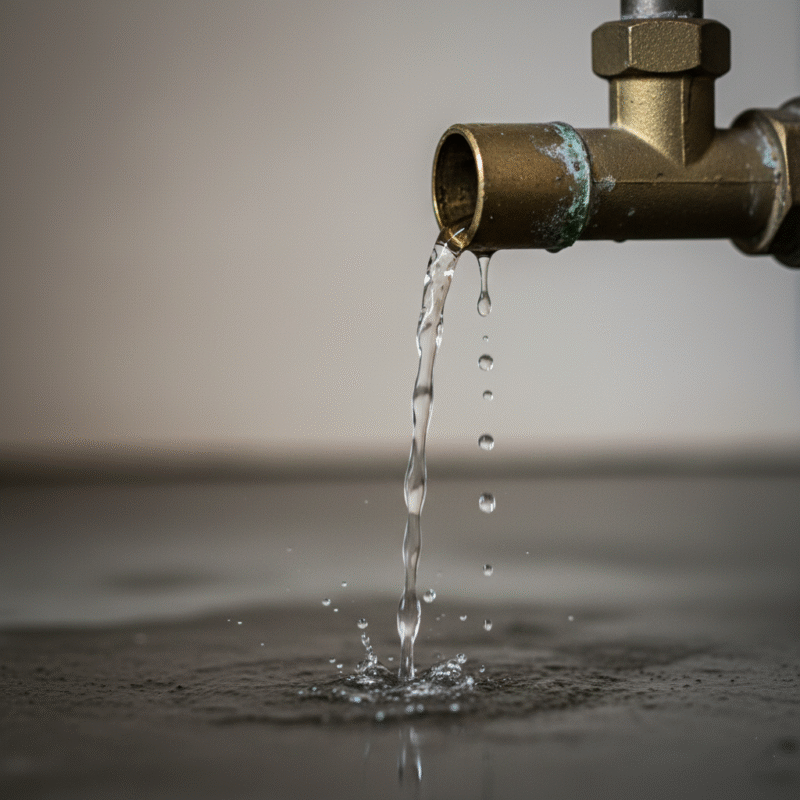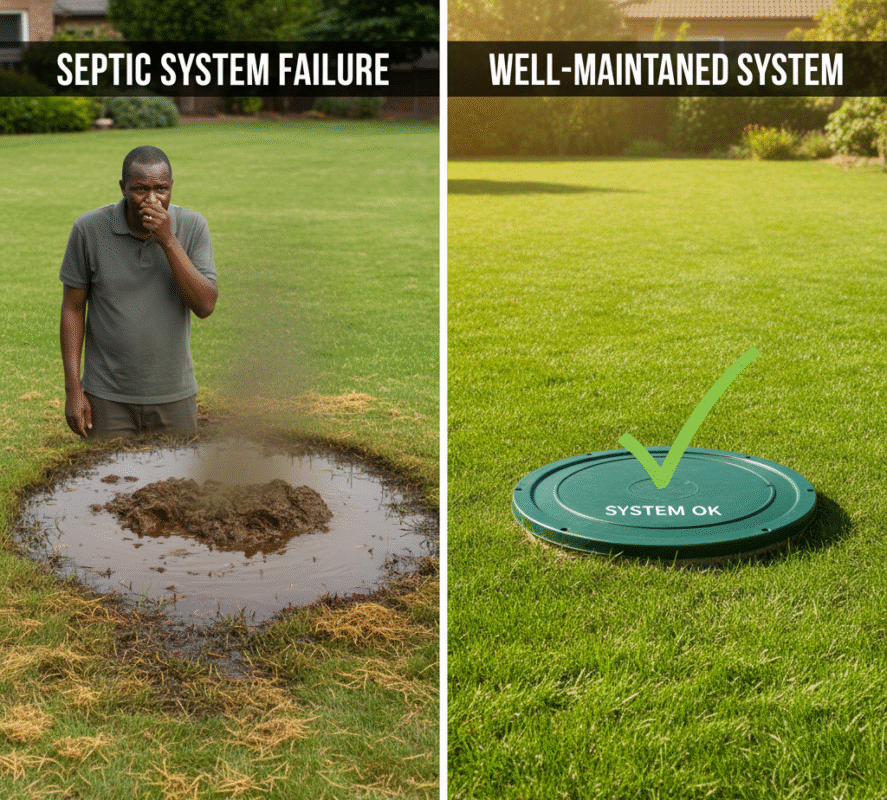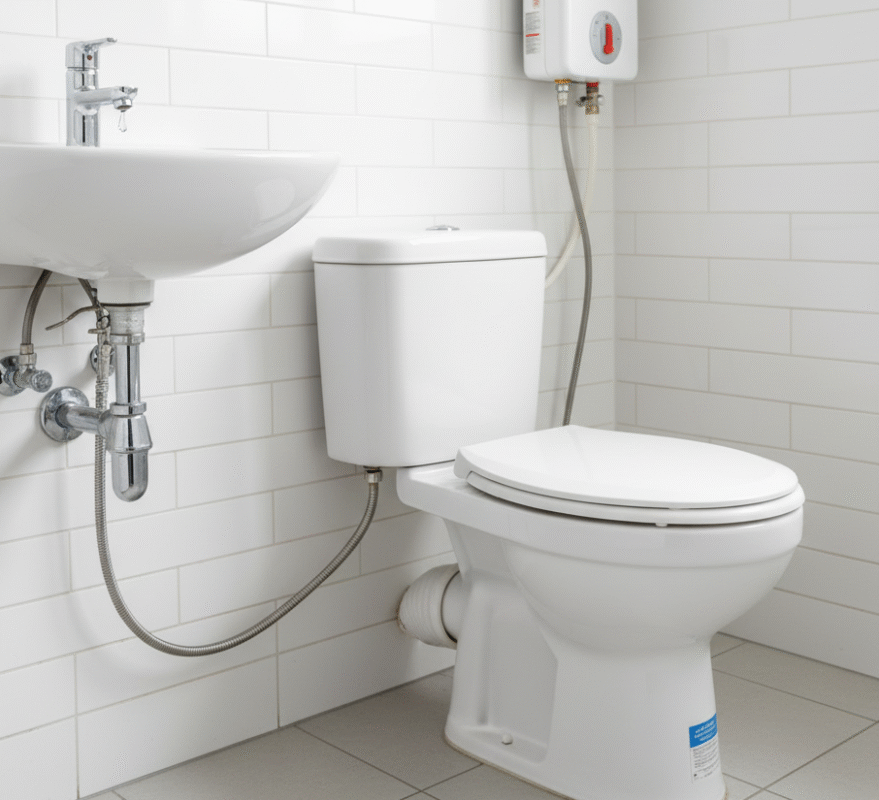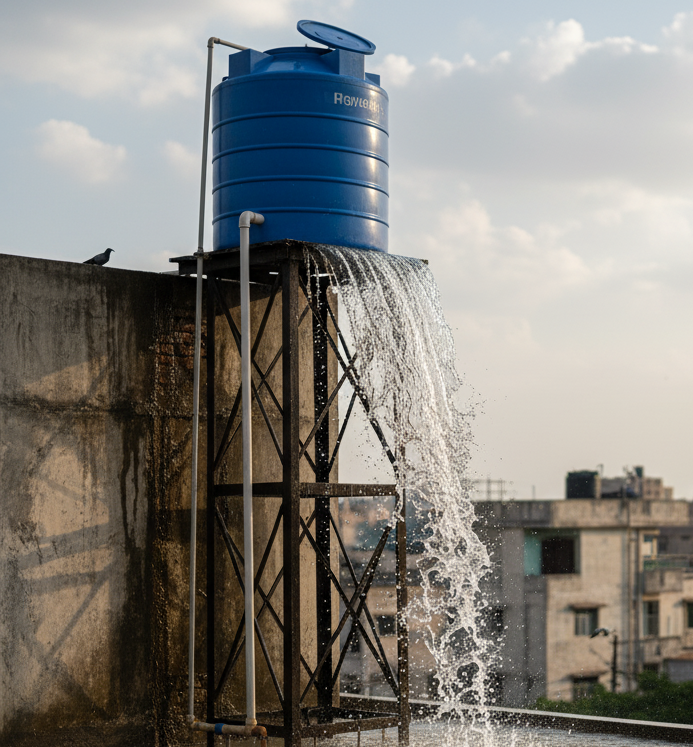


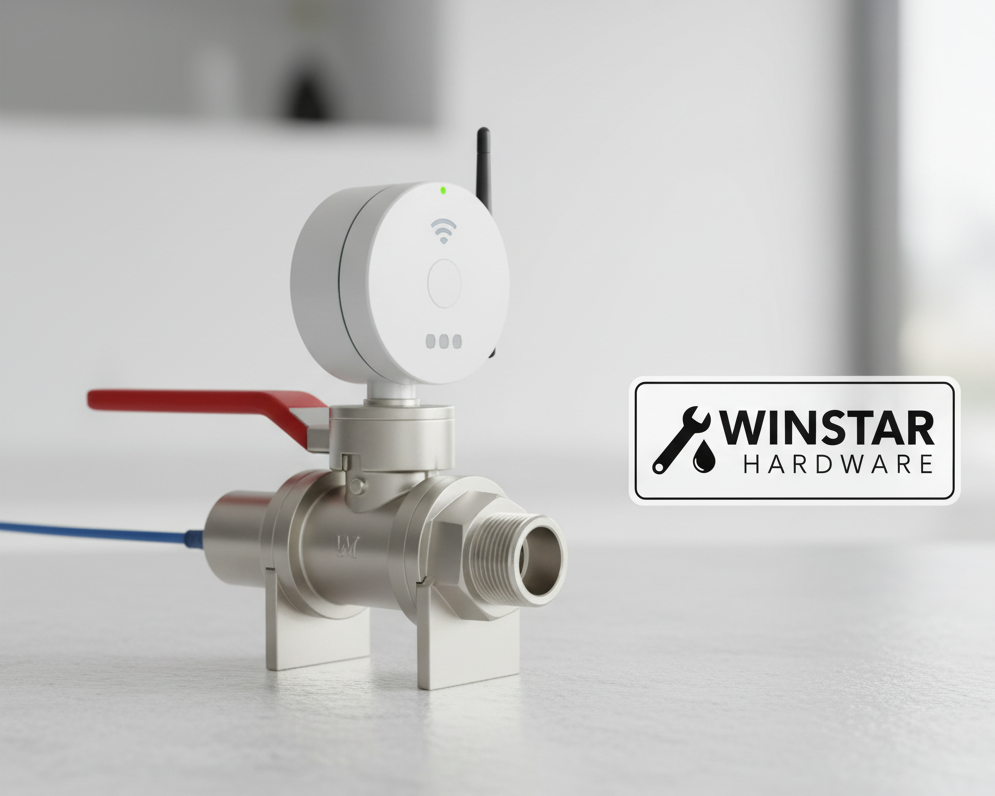
The Kenyan dream of homeownership comes with a responsibility: protecting your investment. While security gates, alarm systems, and high walls guard against external threats, a silent, internal threat lurks within the walls and floors of every structure in Nairobi, Mombasa, and beyond: water damage. A burst PPR pipe fitting, a ruptured water heater, or even a slow leak from an aging bathroom can quickly turn into a catastrophic financial loss, causing tens of thousands of shillings in property damage, mold growth, and structural decay. For homeowners, landlords, and property developers in Kenya, mitigating this risk has traditionally been a matter of constant worry. But the future of plumbing is here, and it’s smart. The best defense against this silent threat is modern technology, specifically smart leak detectors and auto water shut-off valves.
The Problem: A Costly Catastrophe in Kenyan Shillings
The challenge is amplified by local factors:
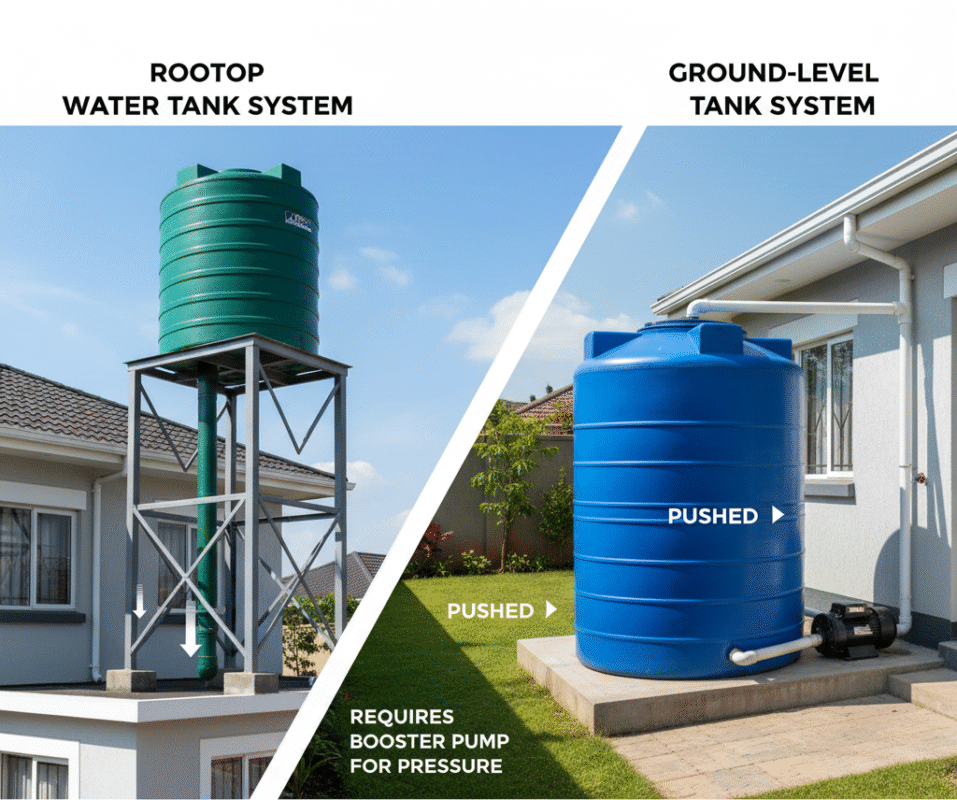
- Water Fluctuation: Intermittent or wildly fluctuating water pressure, often due to reliance on booster pumps and rooftop storage tanks, puts extreme stress on plumbing joints and fixtures, leading to premature failure.
- Concealed Pipes: Much of modern Kenyan plumbing is concealed within walls and slabs for aesthetic appeal. This makes small leaks virtually undetectable until they cause visible, extensive damage (like damp patches, cracked paint, or swelling floors).
- Repair Complexity: Repairing a leak in a slab often requires costly, disruptive acoustic leak detection services, followed by breaking concrete or cutting into drywall—services that can cost between Ksh 10,000 to Ksh 30,000 just to locate the issue, before the actual plumbing and structural repairs even begin.
This potential for catastrophic financial loss, coupled with the risk of mould growth and structural decay, necessitates a proactive defense.
The Solution: Smart Plumbing Technology
The future of plumbing is here, and it’s smart.
This comprehensive guide, brought to you by the plumbing and hardware experts at Winstar Hardware, explores how modern technology is revolutionizing property protection. We’re moving beyond traditional plumbing infrastructure—like the robust PPR and PEX systems we supply—to an intelligent, responsive layer of defense.
You will learn everything about integrating the ultimate duo: smart leak detectors and auto water shut-off valves into your home or commercial property. These systems move beyond simple detection. They offer an immediate, automatic response to shut off the water supply the moment a leak is sensed, offering you true peace of mind, even when you’re away from the property.
Protecting your plumbing is no longer just about choosing the right PPR fittings (though that’s where it starts); it’s about choosing the right smart defense.
The Economics of Prevention: Why Water Damage is So Costly in Kenya
In the world of property management, the old adage rings truest for water damage: prevention is infinitely cheaper than cure. In the Kenyan context, where structural restoration costs are rising and water is a precious, rationed commodity, investing in a proactive system is not a luxury—it’s a critical financial maneuver.
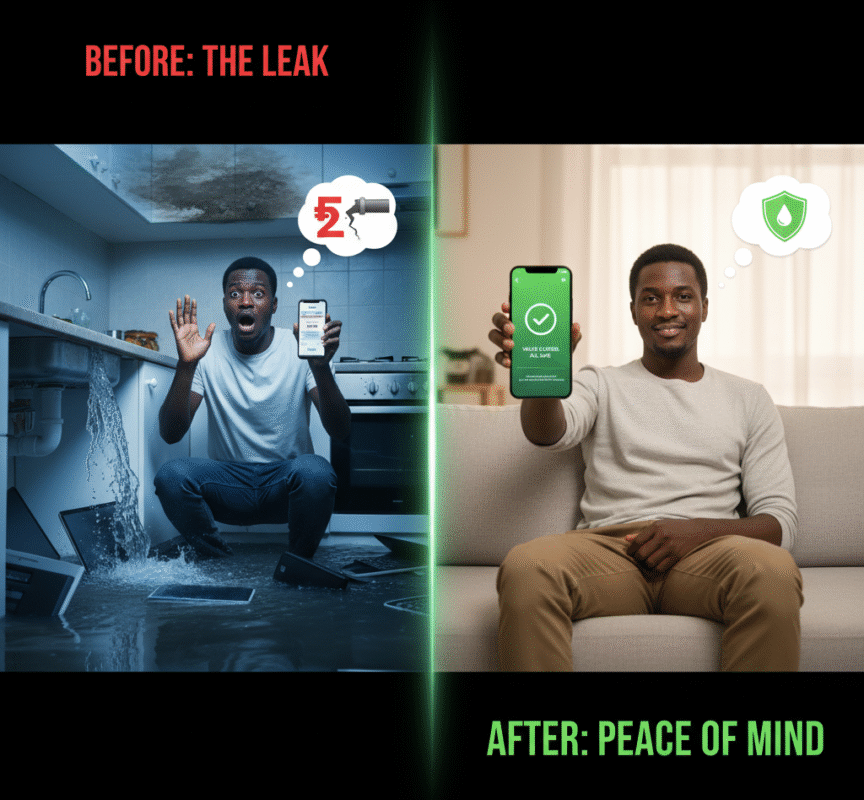
The True Cost of Catastrophe
A small drip can lead to a massive bill, often because the leak is only discovered once the damage is extensive. The cost of a water damage event is broken down into several painful financial categories:
| Cost Type | Estimated Financial Impact (Nairobi/Mombasa) | The Damage |
| Water Bills | Ksh 5,000 – Ksh 50,000+ (per month) | An unmonitored leak can double or triple your utility bill before being noticed, wasting millions of litres of water. |
| Initial Restoration | Ksh 15,000 – Ksh 40,000 | Water extraction, structural drying, and initial cleanup (as per local service estimates). |
| Mould Remediation | Ksh 20,000 – Ksh 60,000+ | Required for infestations, which can begin within 48 hours in Kenya’s humid climates (especially in Nairobi’s high-moisture zones or the Coast). |
| Structural Repairs | Ksh 50,000 – Ksh 250,000+ | Replacing damaged ceiling boards, repairing plaster, lifting and relaying floors, and replacing compromised drywall or cabinetry. |
For a single, severe burst pipe incident, the total cost for cleanup, mould treatment, and restoration can easily climb into the hundreds of thousands of shillings.
The Insurance Reality in Kenya
Many homeowners and landlords operate under the false sense of security provided by standard property insurance. However, when it comes to water damage, Kenyan insurers typically differentiate between two types of incidents:
- Sudden, Accidental Events (Covered): A sudden burst pipe, a geyser rupture, or damage caused by an external flood.
- Gradual, Preventable Damage (Often Excluded): Damage resulting from a slow, persistent leak that was neglected over time, faulty maintenance, or general wear and tear of fixtures.
If your claim stems from a months-long hidden leak—the very type that a smart leak detector is designed to catch—your insurer may argue that the damage was preventable and refuse to pay the full amount, forcing you to bear the entire restoration cost out of pocket. Furthermore, even with a successful claim, you still must pay your policy’s deductible and face the consequence of higher premiums in future years.
The Local Plumbing Pressure
The risk is not theoretical; it is built into our infrastructure. Many Kenyan homes rely on PPR pipe fittings installed in complex configurations—running from rooftop storage tanks, through pressurised systems, and into concealed spaces. This constant cycling of water, coupled with the reliance on booster pumps that can spike line pressure, increases the probability of seal failure at the fittings.
By automatically shutting off the main water supply the moment an anomaly is detected, the auto water shut-off valve effectively converts a potential catastrophe into a minor, repairable inconvenience. This transition from reactive repair to proactive protection is the ultimate economic case for smart plumbing.
Understanding the Technology: Smart Leak Detectors
The modern solution to water damage is a two-pronged technological approach that pairs localized detection with centralized response. This system uses an array of wireless sensors to constantly monitor the environment and a central smart valve to instantly neutralize the threat.
The Leak Detectors: Your Digital Sentries
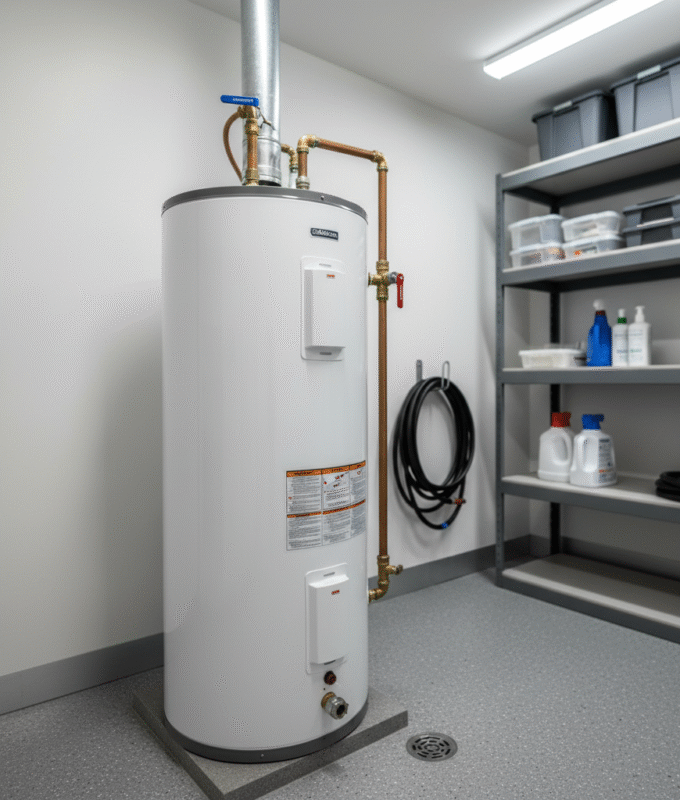
Smart leak detectors are small, battery-powered devices that act as the front line of defense. They are placed in high-risk areas where leaks commonly begin, such as under sinks, near water heaters, next to toilets, and behind washing machines.
The two main ways these sensors detect leaks are:
Conductivity Sensors (Moisture Detection):
- They employ two or more metal probes or electrodes on their base.
- When water touches these probes, it completes an electrical circuit, which immediately triggers a loud local alarm and sends an instant alert to the user’s mobile app via Wi-Fi.
- The value: They are highly sensitive and can detect as little as a few drops of pooling water.
Flow Sensors (Usage Anomaly Detection):
- These are installed directly onto the main water line and constantly monitor the volume and pressure of water passing through the pipe.
- They use sophisticated algorithms to learn the property’s typical water usage patterns (e.g., normal shower, flushing a toilet).
- If the system detects continuous, low-level flow (like a running toilet or a slow pipe leak) for an extended, abnormal period—or a sudden, massive flow spike (like a burst pipe)—it flags the event as an anomaly.
The Automatic Shut-Off Valve: The Immediate Responder
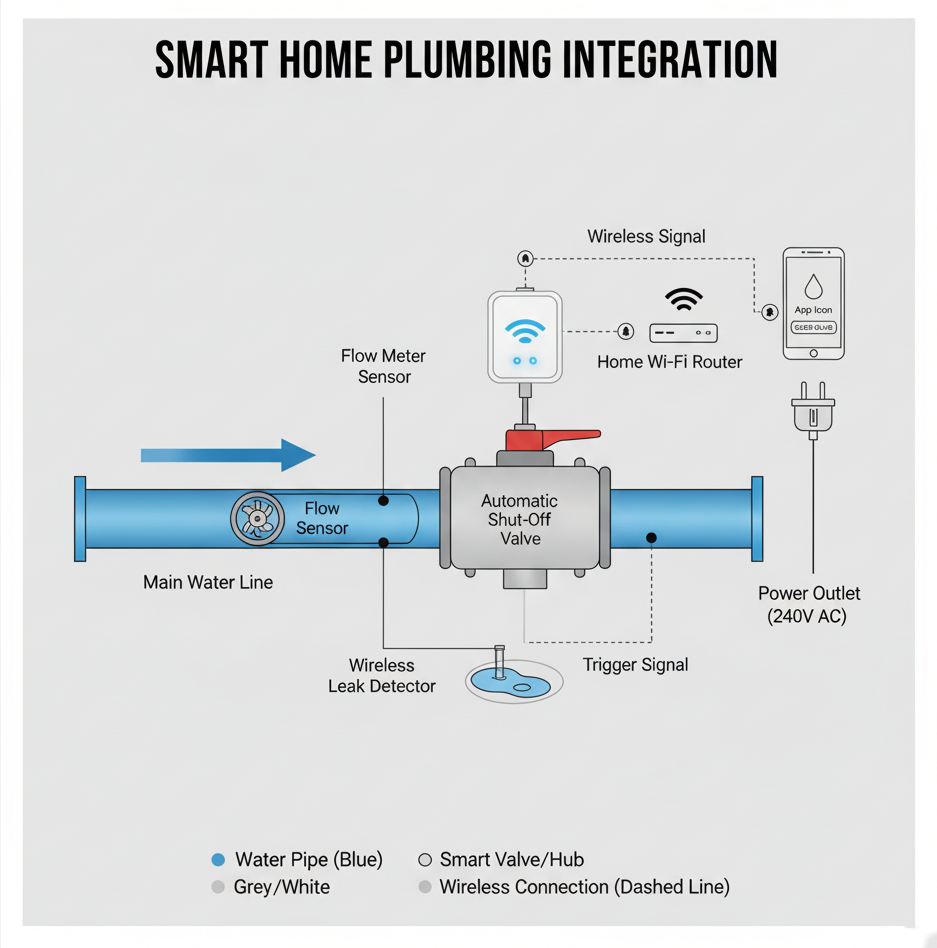
The system’s true power lies in its ability to take immediate, physical action. The Automatic Water Shut-Off Valve is a motorized component installed at the main water supply line of the property.
Functionality:
- Wireless Communication: The leak sensors and flow monitor communicate wirelessly with the shut-off valve via Wi-Fi or a proprietary radio frequency.
- Immediate Closure: When any sensor detects water, or the flow monitor detects an anomaly, a signal is instantly sent to the valve’s electric motor, which automatically rotates the valve to the closed position, cutting off the entire water supply to the property.
- Remote Control: Property owners can also use the mobile app to remotely open or close the valve from anywhere in the world, allowing them to manage their water supply while on holiday or during a period of unoccupancy.
The Proactive Protection Loop
The combination of the two elements creates a seamless, 24/7 protection loop that moves beyond simple alerting:
| Element | Action | Outcome |
| Detection (Sensors/Flow Monitor) | Registers water presence or abnormal flow. | Generates instantaneous alert to the mobile app. |
| Response (Shut-Off Valve) | Receives the signal and closes the main line. | Stops the flow of water entirely, converting a major flood into a negligible spill. |
| Verification (User) | Receives the alert and can remotely check the valve status. | Allows for immediate dispatch of a plumber and minimizes water damage. |
This complete, automated process is the single most effective way to safeguard a property from the catastrophic financial and structural damage detailed in the previous section.
The Ultimate Defense: Auto Water Shut-Off Valves
The most critical feature of a smart water system is the Automatic Water Shut-Off Valve. While sensors and alerts provide timely warnings, the shut-off valve is the component that executes the immediate, physical damage control, making it the non-negotiable layer of ultimate protection.
Stopping Disaster, Not Just Reporting It
In a traditional plumbing emergency, a pipe burst or major leak continues to flow until someone physically locates the main shut-off valve (often difficult to access) and manually closes it. This delay—which can be minutes or hours—is the window in which massive water damage occurs.
The Automatic Shut-Off Valve is integrated directly into the property’s main water line. It transforms the system from a simple alarm into a proactive disaster prevention tool by:
- Instantaneous Response: Upon receiving a signal from a leak sensor or the flow monitor (detecting an anomaly), the valve’s motor closes the water supply within seconds. This rapid response reduces a potential 5,000-litre flood into a minor localized spill.
- No Human Intervention Required: The system does not rely on the owner receiving a smartphone alert, seeing it, and then rushing home. The action is autonomous and immediate, making it effective even when the property is empty or the owner is unreachable.
Remote Control: Protection for Absent Owners
For property owners who travel frequently, manage multiple rental units, or own a holiday home on the Kenyan coast, the remote control capability is invaluable.
| Feature | Property Management Benefit | Peace of Mind |
| Remote Valve Control | Allows a manager in Nairobi to shut off the water to a vacant apartment in Mombasa instantly via a mobile app. | Eliminates the need to dispatch a caretaker or rush to the property. |
| Scheduled Shut-Off | Property managers can program the system to automatically shut off the water every day after business hours or during long periods of vacancy. | Proactively removes the risk of any leakage or burst pipe occurring while the building is unoccupied. |
| Vacation Mode | The user can activate a mode that lowers the system’s sensitivity threshold, ensuring immediate shut-off if any water use at all occurs while they are away. | Guarantees that the house will not flood while the owner is on a long-haul flight or out of the country. |
Added Value: Monitoring and Efficiency
The flow-monitoring component of the smart valve offers significant benefits beyond leak prevention, contributing directly to cost savings and resource management:
- Real-Time Water Usage Insights: The system tracks and records every drop of water used, displaying consumption data on a user-friendly mobile dashboard. Owners can see how much water is used by a toilet, a shower, or the irrigation system.
- Catching ‘Silent’ Leaks: The continuous flow monitoring is highly effective at identifying the most common and wasteful home leaks that go unnoticed—a running toilet or a slow drip behind a wall. By flagging these anomalies, the system helps reduce the unnecessarily high water bills that plague many homes.
- Proactive Maintenance: By alerting to abnormal pressure or flow patterns, the system helps owners identify potential plumbing issues before they lead to a burst, allowing for planned, cost-effective maintenance instead of expensive, emergency repairs.
Integration and The Ecosystem: Smart Plumbing Synergy
The power of a smart water system is amplified when it is not a standalone device, but an integrated part of a wider Smart Home Ecosystem. This synergy moves the solution beyond simple leak detection into comprehensive property management and risk reduction.
The Smart Home Hub Connection
Many modern smart water leak detectors and shut-off valves communicate with popular smart home hubs or automation platforms (e.g., those compatible with Zigbee, Z-Wave, Alexa, or IFTTT). This integration enables powerful cross-device actions:
Unified Alerts:
When the water system detects a leak, it can trigger an alarm on the main security panel, activate all smart lights to flash red, or have a voice assistant announce, “Water leak detected in the basement!”
Emergency Routines:
This is crucial for multi-layered defense. For example, a single detected leak can automatically:
- Send a critical notification to the owner’s phone.
- Close the main water shut-off valve at the pipe.
- Unlock a smart door lock for emergency plumber access (if necessary and pre-configured).
- Shut down the water heater (via a smart plug) to prevent an electrical hazard.
Enhanced Connectivity:
Systems that rely on dedicated hubs (like Aqara or YoLink) often use long-range, low-power protocols (e.g., LoRa or Zigbee) that are highly effective in overcoming the poor Wi-Fi coverage commonly found in basements, pump rooms, or remote storage tanks in larger Kenyan properties.
The Financial Advantage: Insurance Benefits
Globally, insurance companies increasingly recognize smart water leak detection as a vital tool for mitigating risk. While this is a developing trend in the Kenyan market, a proactive approach can yield significant financial returns:
Premium Discounts:
Property owners who install an automatic water shut-off valve and whole-home monitoring are proving to insurers that they have reduced their risk of a catastrophic claim (like a burst pipe causing KSh 1,000,000+ in damage). In international markets, this technology can lead to 3-10% discounts on homeowner’s insurance premiums.
Reduced Deductibles:
In some cases, an insurer may agree to lower the deductible for water damage claims on a property with a certified smart leak detection system, recognizing the lower likelihood of a high-cost event.
Claim Validation:
The system’s detailed usage logs provide verifiable proof of the exact time and nature of the leak. This data can streamline the claims process, helping to quickly validate the event and accelerate payout for necessary repairs.
A Tool for Sustainability and Resource Management
Beyond security and financial gain, the data provided by smart water systems supports a commitment to water sustainability—a critical issue in Kenya:
- Non-Revenue Water (NRW) Reduction: Utilities and large property managers use smart flow meters to identify and address leaks across their networks, minimizing the loss of treated water.
- Conservation Culture: Real-time usage data encourages homeowners to be more conscious of their consumption. Owners can pinpoint which appliances or habits are wasteful, fostering a culture of responsible water stewardship.
- Infrastructure Planning: For properties using borehole water or private tanks, the monitoring features provide vital information for managing pump run-times and scheduling preventive maintenance, thereby increasing the longevity and efficiency of the entire water infrastructure.
Installation and Buying Guide for Winstar Hardware Customers
The decision to install a smart water system is a long-term investment. For Winstar Hardware customers in Kenya, this guide outlines the critical steps and choices, from installation to cost planning.
The Installation Dilemma: DIY vs. Professional
We strongly recommend that a professional plumber install a smart water shut-off valve, especially in the Kenyan context where plumbing systems vary widely (including PPR, PVC, and copper).
| Feature | DIY Installation (Point Sensors Only) | Professional Installation (Valve & Sensors) |
| Scope | Easy placement of small point sensors (e.g., under sinks, near water heaters). | Cutting and joining of the main water line to integrate the valve/meter. |
| Risk | Minimal, low risk of property damage. | High risk if joints are not properly sealed, leading to large leaks or system failure. |
| Time | Minutes. | A few hours (requires shutting off the main water supply to the property). |
| Peace of Mind | Basic protection, relies on manual shut-off after alert. | Automatic shut-off provides the highest level of damage prevention. |
Winstar Recommendation: Hire a licensed plumber experienced with PPR, PVC, or copper pipe fusion/connection methods to install the main shut-off valve. This ensures compliance, reliable leak-free joints, and optimal positioning of the device.
Compatibility and Location Checklist
Before purchasing your smart water system, verify these key factors:
Pipe Material and Size:
- Common Kenyan Pipes: Most modern residential plumbing uses PPR (Polypropylene Random Copolymer) or PVC (Polyvinyl Chloride). Older homes may have copper or galvanized iron.
- Valve Size: The smart shut-off valve must match your main water line size (commonly 1″, ¾”, or ½” for residential properties).
- Fittings: You will need the correct transition fittings (e.g., brass or union adapters) to securely join the smart valve (often threaded) to your PPR or PVC pipes. Winstar Hardware stocks certified fittings for all common pipe types.
Installation Location:
- Install the device downstream of the main manual shut-off valve and, if present, any pressure-reducing valve (PRV). Refer to this guide on the different types of valves in your home.
- It must be in a dry, accessible, indoor location (e.g., a pump room or meter box) to protect the electronics and ensure reliable Wi-Fi/wireless communication.
Power Supply:
- The smart valve requires continuous power (240V AC). Ensure a nearby, non-switched power outlet is available.
- Look for models with a battery backup feature to ensure the valve can still close during a power outage, which is a critical feature in Kenya.
Estimated Budget for a Smart Water System in Nairobi (Guide Only)
Costs vary based on brand quality, complexity, and whether you choose a flow-monitoring valve or a simple actuator.
| Component | Cost Estimate (KES) | Notes |
| Smart Water Valve (Flow Monitoring & Shut-off) | KSh 25,000 – KSh 60,000 | Mid to high-end devices like Moen Flo or equivalent. |
| Point Leak Sensors (3-5 Pack) | KSh 6,000 – KSh 15,000 | Wireless sensors for placement near toilets, sinks, and water heater. |
| Certified Plumbing Labour (Installation Fee) | KSh 8,000 – KSh 15,000 | Cost to cut pipe, install fittings, solder/fuse joints, and secure the device. |
| Required Fittings/Adapters | KSh 3,000 – KSh 6,000 | For joining the valve to PPR, PVC, or copper lines. |
| Total Estimated Investment | KSh 42,000 – KSh 96,000+ | The cost is offset by potential insurance discounts and the prevention of catastrophic water damage. |
This video on How to Install a Water Shut off Valve for Beginners provides a basic, visual overview of the physical plumbing work involved in replacing a standard shut-off valve, which is the most challenging part of installing a smart version.
Conclusion: Protecting Your Future with Smart Plumbing
The shift to smart plumbing is not merely a luxury upgrade; it is a strategic necessity for modern Kenyan homeowners. By adopting smart water technology, Winstar Hardware customers are making an essential investment in resource security, financial stability, and property longevity.
The Triple Mandate of Smart Water
Smart water systems, particularly the combination of a smart shut-off valve and wireless sensors, address the three most pressing water-related challenges facing residential properties:
Financial Protection:
Undetected leaks—whether slow drips or sudden pipe bursts—are the leading cause of inflated water bills and costly structural damage (floors, walls, electronics). A smart shut-off valve provides the ultimate defense by automatically stopping the flow within seconds of a major anomaly, effectively eliminating the risk of catastrophic flooding.
Resource Conservation:
Kenya is classified as a water-scarce country. Smart systems offer real-time usage insights, moving beyond simple billing to empower homeowners to become conscious water managers. This data-driven approach encourages conservation, helps reduce your household’s environmental footprint, and provides peace of mind that you’re not contributing to unnecessary waste.
Property Resilience:
In a region subject to variable water pressure, supply interruptions, and reliance on internal water storage, pipe stress is common. The ability to remotely monitor and control your water supply means you can proactively manage your system from anywhere in the world, ensuring the integrity of your investment whether you are at work or on holiday.
The Future of Smart Plumbing in Kenya
The adoption of smart water technology, which is already being prioritized by major Kenyan utilities to combat Non-Revenue Water (NRW) losses, is poised to accelerate for consumers. Future trends will enhance the value of your Winstar investment:
- AI and Predictive Maintenance: Systems will move from simply detecting an event to predicting a failure (e.g., detecting pressure fluctuations that indicate a weakening pipe) before a burst occurs.
- Wider Ecosystem Integration: Smart water valves will integrate more seamlessly with other smart home systems (like security and air conditioning) to create unified automation scenarios.
- Insurance Incentives: As the technology proves its ability to drastically reduce claim payouts, insurance companies are likely to offer greater policy discounts for homes equipped with automatic water shut-off valves.
Investing in a smart water system today is the single most effective action you can take to safeguard your home against the unpredictable costs and damages of water leaks. For the Kenyan homeowner, smart plumbing means not only saving money but securing a scarce and vital resource.