


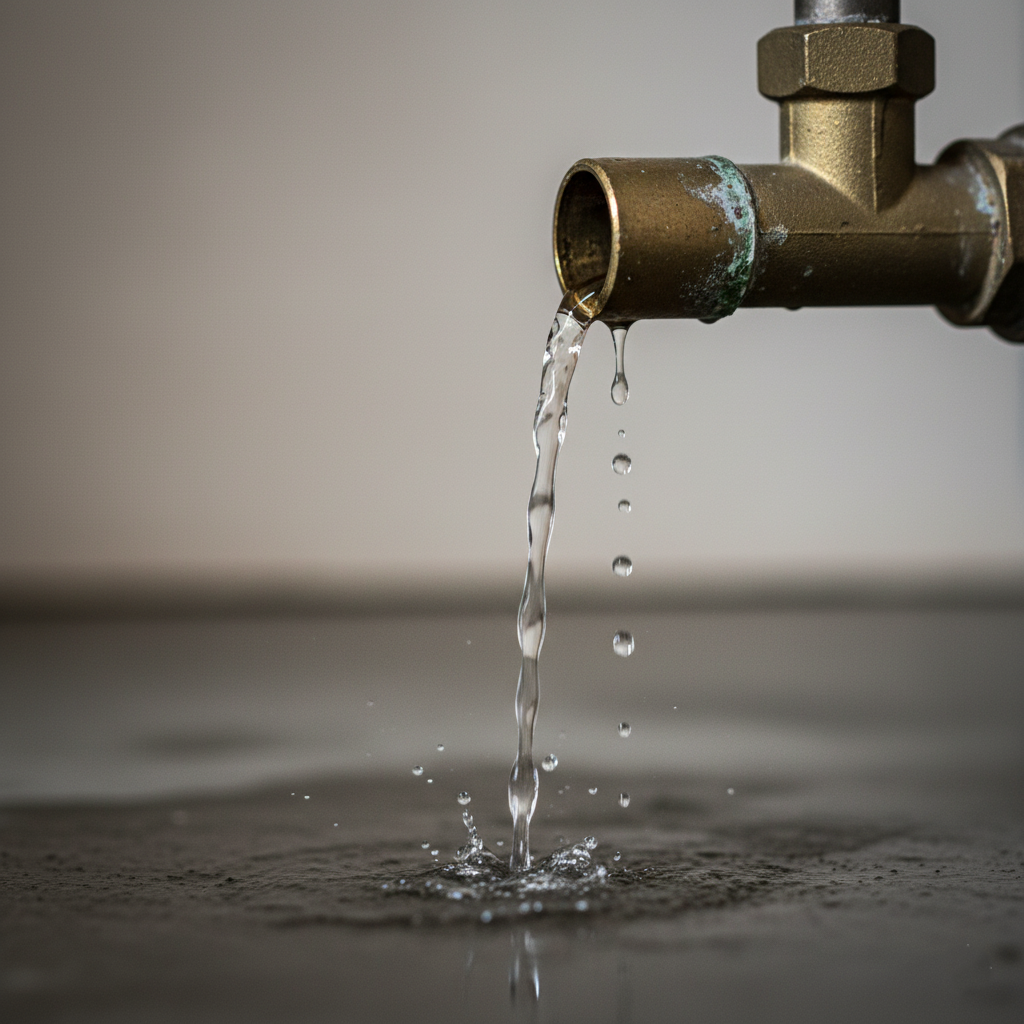
Why a Leaky PRV Demands Your Attention
The soothing comfort of a hot shower is a small luxury in many Kenyan homes, but when your water heater starts acting up, that comfort can quickly turn into a source of anxiety. One of the most common, yet often misunderstood, issues homeowners face is a water heater pressure relief valve leaking. You spot a small drip, a steady trickle, or even a gush of water coming from a pipe near the top or side of your geyser (as water heaters are commonly known in Kenya).
This isn’t just a minor annoyance; it’s your water heater’s way of telling you something crucial is happening inside. The Pressure Relief Valve (PRV) is a critical safety device designed to prevent your water heater from becoming a dangerous pressure bomb. Ignoring a water heater pressure relief valve leaking could lead to:
- Catastrophic Bursts: Extreme pressure buildup can cause the entire geyser tank to rupture, leading to massive property damage.
- Scalding Injuries: Uncontrolled pressure can force superheated water through taps, posing a severe risk of burns.
- High Water Bills: A continuously leaking PRV wastes significant amounts of water, quietly inflating your utility expenses.
- Premature Geyser Failure: Persistent stress on the tank reduces its lifespan.
This comprehensive guide from Winstar Hardware – your trusted partner for quality plumbing solutions in Kenya – will demystify the water heater pressure relief valve leaking problem. We’ll explore the common causes, equip you with safe DIY troubleshooting steps, and, crucially, help you understand when it’s time to put down the wrench and call a licensed plumber. Your safety, water conservation, and peace of mind are our top priorities.
What is a Pressure Relief Valve (PRV)?
Before tackling the leak, let’s understand the hero of our story: The Pressure Relief Valve (PRV). Often overlooked, this small but mighty component is the most important safety device on your water heater.
The Lifesaving Purpose of a PRV
Imagine heating water in a sealed container. As water heats up, it expands, and the pressure inside the tank increases dramatically. Without a mechanism to release this excess pressure, the tank could eventually rupture or even explode, turning your geyser into a dangerous projectile. This is where the PRV comes in.
- Pressure Release: The PRV is designed to automatically open and discharge small amounts of water (and sometimes steam) when the internal pressure or temperature inside the geyser exceeds a pre-set safe limit (typically around 150 psi or 210∘F / 99∘C).
- Temperature & Pressure (T&P) Valve: Most modern geysers in Kenya use a Temperature and Pressure (T&P) Relief Valve, which can release water for both over-pressure and over-temperature conditions. This is vital, as excessive temperature can be just as dangerous as excessive pressure.
Where is Your PRV Located?
The PRV is typically found either:
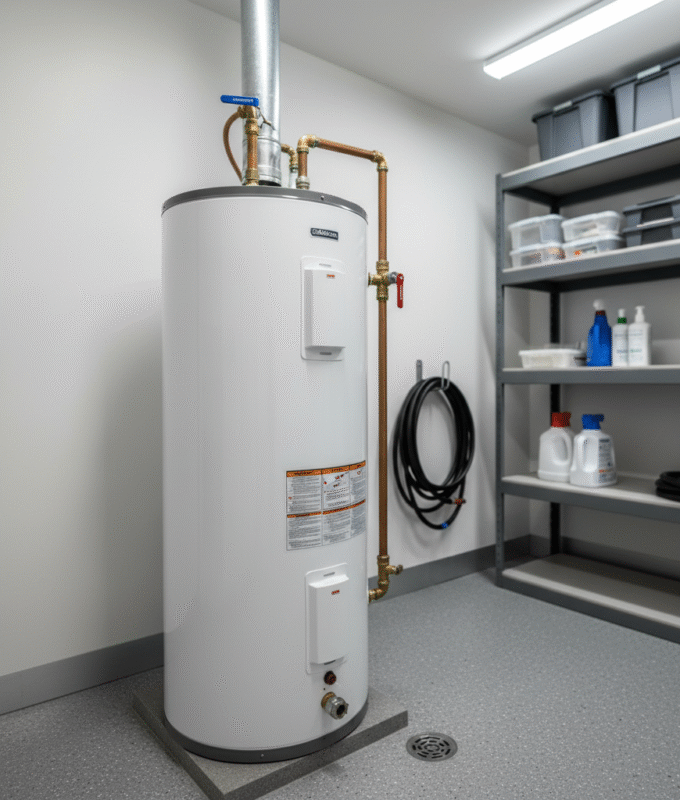
- On the top of the geyser, with a discharge pipe running downwards.
- On the side of the geyser, usually towards the top, also with a discharge pipe.
The discharge pipe for the PRV in Kenyan installations should always terminate in a visible, safe location, often outside the house or into a dedicated drain, to prevent water damage if it activates. Some installations may direct it into a drip tray if the geyser is in a ceiling or enclosed space.
Why is My Water Heater Pressure Relief Valve Leaking? Common Causes in Kenya
A water heater pressure relief valve leaking is a symptom, not the root problem itself. Diagnosing the exact cause is the first step to a lasting fix. Here are the most common culprits, relevant to conditions experienced in Kenyan homes:
Thermal Expansion: The Silent Pressure Builder (Most Common Cause)
This is by far the most frequent reason for a water heater PRV leaking, especially in areas with “closed” plumbing systems.
The Science:
As water in your geyser heats up, it naturally expands. If this expanding water has nowhere to go (i.e., it cannot flow back into the main cold water supply line or expansion tank), pressure rapidly builds up inside the tank.
Closed Systems in Kenya:
Many Kenyan homes have “closed-loop” plumbing systems. This can occur due to:
- Backflow Preventers: Devices installed on the main water line (often by the local water authority or to prevent contamination) that allow water to flow in one direction only, trapping expanded water in your home’s system.
- Pressure Reducing Valves (PRVs) on Main Line: If your home has a pressure-reducing valve installed on the main incoming water line (common in areas with high municipal water pressure), it can create a closed system downstream from it.
- Check Valves: Installed on borehole pump systems to prevent back-siphonage into the well.
The Drip:
When pressure exceeds the PRV’s set limit, the valve does its job and opens to release the excess. This usually results in intermittent dripping, often occurring for a short period after the geyser has heated a fresh tank of water.
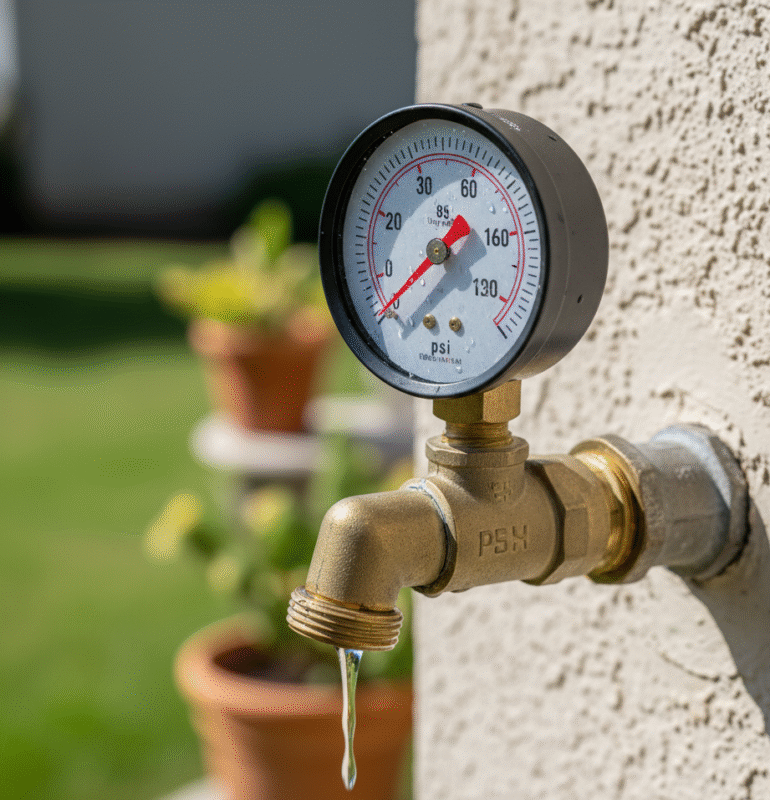
High Incoming Water Pressure
Sometimes, the issue isn’t expansion within your system, but simply too much pressure coming into your home from the municipal supply or a powerful booster pump.
- Nairobi Specifics: Areas with high-rise buildings or those served by powerful pumping stations can experience significantly high incoming water pressure. Similarly, private boreholes with strong pumps can deliver very high pressure to the house.
- The Problem: If the incoming pressure consistently exceeds the maximum operating pressure of your geyser (and thus the PRV’s set limit), the pressure relief valve will constantly leak to keep the tank safe.
- Symptoms: This leak might be more constant and less related to heating cycles.
Sediment Buildup in the Geyser Tank
Over time, especially in areas with “hard water” (water with high mineral content, common in many parts of Kenya), sediment can accumulate at the bottom of your geyser tank.
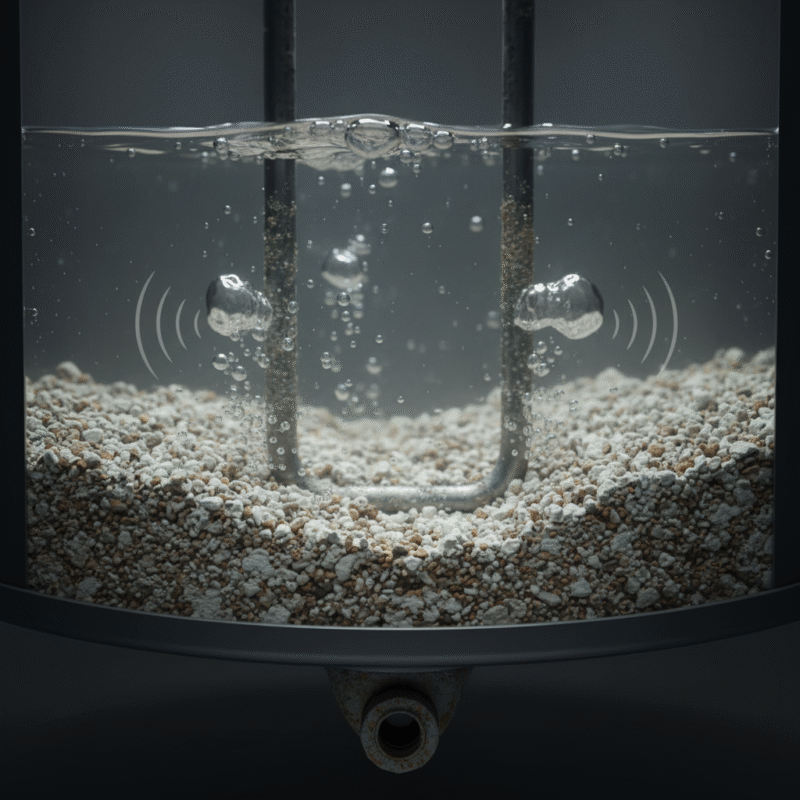
- The Problem: This sediment can reduce the tank’s efficiency, cause overheating, and interfere with the temperature sensor. It can also physically block the drain opening, causing localized overheating at the bottom of the tank.
- Overheating: If the water consistently gets too hot, the PRV will activate to release excess temperature/pressure.
- Symptoms: The leak might be accompanied by unusual noises (rumbling, popping) from the geyser, reduced hot water capacity, or dirty hot water.
Faulty or Worn-Out PRV
Like any mechanical component, the PRV itself can fail.
- Age and Wear: Over years of activating (even for normal thermal expansion), the internal springs, seals, or gaskets can degrade, corrode, or become coated with mineral deposits.
- Not Reseating Properly: After releasing pressure, a worn-out PRV might not fully close, leading to a continuous, steady water heater pressure relief valve leaking even when the pressure is within normal limits.
- Stuck Open or Closed: A PRV can also get stuck open (constantly gushing water) or, more dangerously, stuck closed (failing to release pressure when needed).
- Symptoms: A constant drip or flow that doesn’t stop, even when the water heater isn’t actively heating, or after the incoming water supply has been temporarily shut off.
Improper Installation or Incorrect PRV
While less common, an improperly installed or incorrectly specified PRV can also lead to leaks.
- Incorrect Size/Rating: If the PRV is not correctly rated for the geyser’s capacity and pressure, it may trigger prematurely or not function safely.
- Over-tightening: Excessive force during installation can damage the valve’s internal components.
The DIY Fix: Troubleshooting Your Leaky PRV Safely
Before calling a plumber, there are a few safe steps you can take to diagnose and potentially resolve a water heater pressure relief valve leaking. Remember, safety first! Always exercise caution when working with electricity and hot water.
1st Step: Check for Thermal Expansion (The Quick Test)
- Stop the Heat: Turn off the power to your water heater at the circuit breaker or fuse box. If it’s a gas heater, turn the gas valve to the “pilot” or “off” position.
- Wait an Hour: Allow the water in the geyser to cool down for about 60-90 minutes.
- Observe the Leak: Check the PRV discharge pipe.
- If the leak stops: This is a strong indicator of thermal expansion. The pressure buildup ceases when the heating stops.
- If the leak continues: The problem is likely elsewhere (high incoming pressure, faulty PRV, or sediment).
2nd Step: Check Your Incoming Water Pressure (Requires a Gauge)
If thermal expansion isn’t the issue, excessively high incoming pressure might be.
- Get a Pressure Gauge: Purchase an inexpensive water pressure gauge that attaches to a hose bib (tap).
- Attach and Test: Attach the gauge to any outdoor hose bib or a laundry room tap. Ensure no other water is running in the house.
- Read the Pressure: A healthy residential water pressure range in Kenya is typically between 40 and 80 psi.
- Above 80 psi: Your incoming pressure is too high. This often causes a water heater pressure relief valve leaking.
- Solution: You likely need a Pressure Reducing Valve (PRV) installed on your main incoming water line. This is a job for a qualified plumber.
3rd Step: Test and Flush the PRV (Caution Advised!)
Sometimes, mineral deposits or a weak spring prevent the PRV from fully closing after it opens. Gently exercising the valve can sometimes clear these obstructions.
- Safety First:
- Ensure the PRV discharge pipe is directed safely to a drain or outside.
- Wear gloves and protective eyewear.
- Initiate Test: Locate the PRV’s test lever (often a small handle).
- Open and Close: Quickly and firmly lift the lever for a few seconds to allow water to discharge, then snap it shut.
- Caution: Hot water and steam will come out! Do this for only a short burst.
- Observe: If the water heater pressure relief valve leaking was due to a minor obstruction, this might clear it. If it starts gushing and won’t stop, close the main water supply to the geyser immediately.
- Flushing (for Sediment): If the leak persists and you suspect sediment, you might need to flush your water heater.
- Procedure: Turn off power/gas, shut off cold water inlet, attach a hose to the drain valve at the bottom of the geyser, and drain the tank completely. This should be done annually as part of geyser maintenance. For a comprehensive visual guide, watch this video on how to flush your water heater tank.
When to Call a Plumber: Don’t Take Risks with Your Geyser
While some PRV issues allow for safe DIY troubleshooting, there are clear signs that indicate it’s time to contact a licensed plumber. Ignoring these could put your home and family at serious risk.
Continuous or Gushing Leaks
If your water heater pressure relief valve is leaking constantly, or if water is gushing out non-stop even after attempting the DIY test, shut off the water supply to the geyser immediately and call a professional. This indicates a major failure of the valve or severe over-pressurization.
No Change After DIY Steps
If you’ve followed the troubleshooting steps (checking for thermal expansion, incoming pressure, and flushing the PRV) and the water heater pressure relief valve is still leaking, a more complex issue is at play. This often points to:
- A completely faulty pressure relief valve that needs replacement.
- An underlying problem with the geyser’s thermostat or heating element causing chronic overheating.
- A severe pressure problem that requires a main line PRV installation.
Visible Damage to the Geyser
Inspect your geyser tank for any signs of physical damage:
- Rust or Corrosion: Visible rust, especially around the PRV connection or at the bottom of the tank, could indicate a failing tank.
- Bulging or Swelling: This is a critical warning sign of extreme internal pressure and imminent tank rupture. Immediately turn off power/gas and water supply and call a plumber.
- Water around the Tank Base: If water is pooling around the bottom of the geyser and not just from the PRV discharge pipe, the tank itself might be leaking, signaling end-of-life.
Lack of Plumbing Expertise
Working with water heaters involves electricity/gas, high temperatures, and high pressure. If you’re uncomfortable with any of the DIY steps, or if you’re not sure about the diagnosis, always defer to a qualified plumber. They have the tools and experience to safely diagnose and repair the issue.
Prevention is Key: Maintaining Your Water Heater and PRV
The best way to avoid a water heater pressure relief valve leaking is through proactive maintenance and smart installation choices.
Annual Geyser Flushing
- Purpose: To remove sediment buildup at the bottom of the tank, which can cause overheating and reduce efficiency.
- How: Turn off power/gas, shut off cold water inlet, attach a hose to the drain valve, and drain until clear.
- Winstar Tip: We stock quality hoses and adapters for easy geyser flushing.
Regular PRV Testing
- Purpose: To ensure the valve is not seized and can open when needed.
- How: Gently lift the test lever (as described in DIY section) annually. If no water comes out, or if it doesn’t snap shut, replace it.
- Caution: As PRVs age, repeated testing can sometimes cause them to not reseat properly. Use discretion, especially on older units.
Install an Expansion Tank (If Thermal Expansion is an Issue)
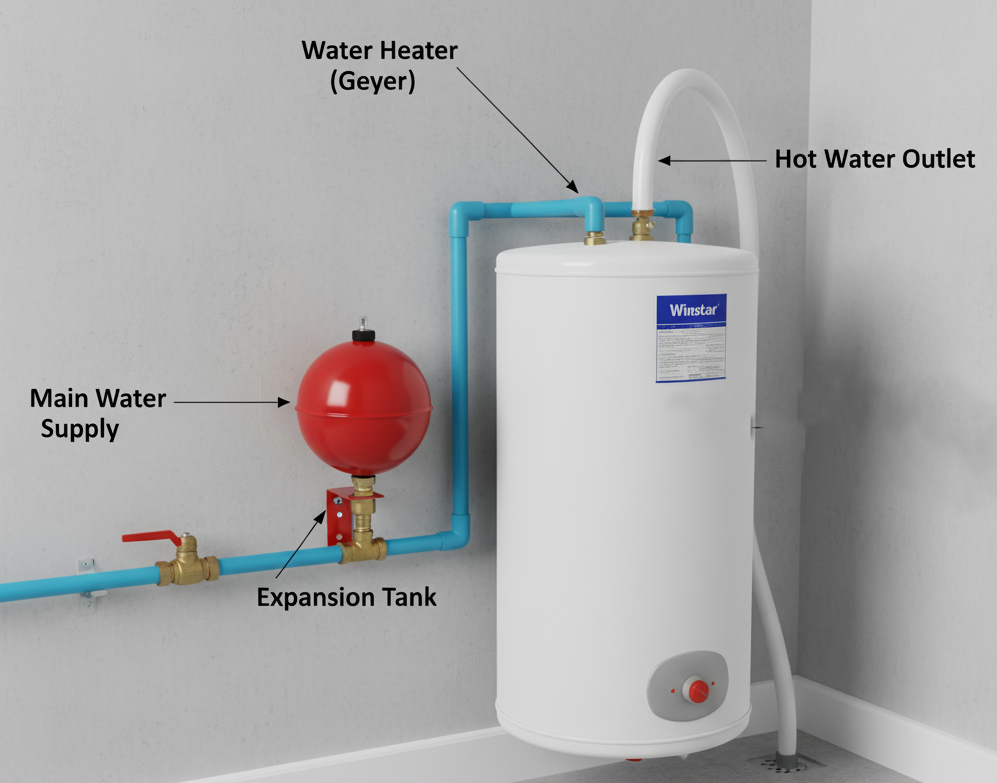
- Solution: For systems suffering from thermal expansion, an expansion tank is the definitive solution. This small tank, installed on the cold water inlet line near the geyser, provides a buffer for the expanding water, preventing pressure buildup in the geyser tank itself.
- Diagram Suggestion: Simple diagram showing a water heater with an expansion tank correctly installed on the cold water line.
Install a Main Line Pressure Reducing Valve (If Incoming Pressure is High)
- Solution: If your incoming water pressure consistently exceeds 80 psi, a Pressure Reducing Valve (PRV) installed on your main water line protects your entire home’s plumbing system (including your geyser) from excessive pressure.
- Benefits: Reduces strain on pipes and fixtures, prevents faucet drips, and stops water heater pressure relief valve leaking due to high municipal pressure.
Conclusion: Peace of Mind from Winstar Hardware
A water heater pressure relief valve leaking is a clear signal that your geyser, and potentially your entire plumbing system, needs attention. While basic troubleshooting can often resolve minor issues, understanding the underlying causes and knowing when to call a professional is crucial for safety and preventing costly damage.
At Winstar Hardware, we understand the unique plumbing challenges faced by Kenyan homeowners. We stock a comprehensive range of KEBS-approved plumbing components, from reliable PPR pipes and fittings to durable PRV replacements and high-quality expansion tanks. We’re not just a supplier; we’re your partner in building and maintaining a safe, efficient home.
Don’t let a dripping PRV become a disaster. Visit your nearest Winstar Hardware branch or explore our online catalog for the parts you need and expert advice. Invest in quality, invest in safety, and ensure the long-term comfort and security of your home.









One thought on “Water Heater Pressure Relief Valve Leaking? The DIY Fix & When to Call a Plumber”